
Importance & Types of Lead Generation in Digital Marketing
Lead generation is crucial in digital marketing as it identifies & attracts potential customers. Driving business growth & revenue. Effective lead generation strategies. Such as content marketing. Social media marketing. Email campaigns, & paid advertising. Help businesses capture & nurture leads through various channels. These approaches not only enhance brand awareness but also enable targeted audience engagement. Fostering relationships that convert leads into loyal customers. By leveraging a mix of inbound & outbound techniques. Companies can optimize their marketing efforts & achieve sustainable success in a competitive landscape.
Importance & Types of Lead Generation in Digital Marketing. Discover The importance of lead generation in digital marketing & explore different types To boost your business. Learn how To connect with your audience today!
What is Importance & Types of Lead Generation in Digital Marketing & how does it work?
Lead generation involves attracting potential customers. Strong strategies create interest in products or services. Digital marketing employs various techniques for this purpose. Effective methods include content marketing. Social media. Search engine optimization, & email campaigns. These approaches drive traffic & convert visitors into leads.
Brief history of Importance & Types of Lead Generation in Digital Marketing
Lead generation has evolved significantly with technology. Initially. Marketing relied on traditional methods like cold calling. Internet emergence transformed lead generation into digital methods. Businesses began utilizing websites & online advertisements. Advances in analytics allowed for improved targeting of audiences.
How To implement Importance & Types of Lead Generation in Digital Marketing effectively
Implementing effective lead generation requires a well-thought-out strategy. Begin by defining target audiences clearly. Create engaging content that addresses audience needs. Utilize social media platforms for broader reach & engagement. Optimize landing pages for conversion rates. Use analytical tools for tracking performance continuously.
Key benefits of using Importance & Types of Lead Generation in Digital Marketing
Various benefits exist in adopting lead generation strategies. Businesses experience increased visibility among potential customers. Building relationships fosters trust & enhances brand loyalty. Data-driven marketing helps refine approaches & optimize campaigns. Ultimately. Conversion rates improve as quality leads increase.
Challenges with Importance & Types of Lead Generation in Digital Marketing & potential solutions
Many challenges arise during lead generation efforts. Competition remains fierce across multiple industries. Additionally. Generating high-quality leads can seem daunting. Effective solutions include focusing on targeted marketing & leveraging unique value propositions. Regularly analyzing data enhances understanding of audience preferences.
Future of Importance & Types of Lead Generation in Digital Marketing
Future trends suggest a shift towards personalization. Artificial intelligence plays an essential role in this transformation. Automation will streamline processes. Improving lead generation efficiency. Data privacy regulations influence methods. Requiring businesses To adapt accordingly. Engagement through immersive experiences becomes increasingly crucial. Capturing audience attention effectively.
Table of Importance & Types of Lead Generation in Digital Marketing
| Type | Description | Advantages |
|---|---|---|
| Content Marketing | Creating valuable content that attracts visitors. | Builds authority. Drives traffic. Generates leads. |
| Social Media | Engaging users through platforms like Facebook. Twitter. | Increases brand awareness. Encourages interaction. |
| Email Marketing | Sending targeted emails To nurture leads. | Drives conversions. Maintains relationships. |
| Search Engine Optimization | Improving website visibility on search engines. | Increases organic traffic. Enhances credibility. |
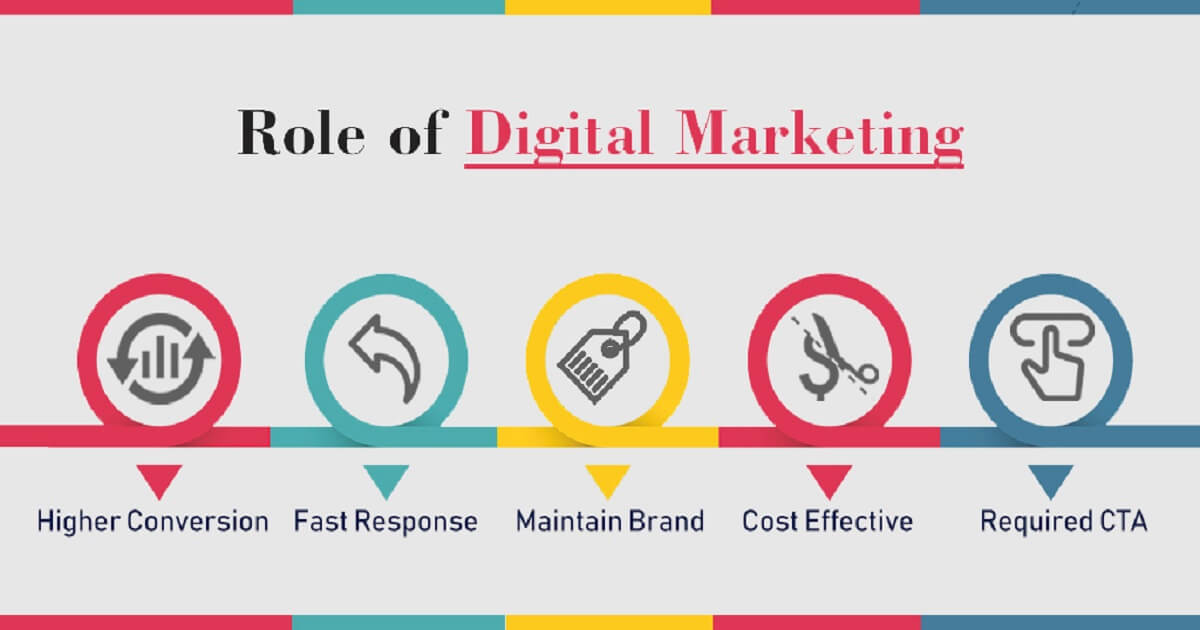
Understanding Lead Generation in Digital Marketing
Lead generation plays a pivotal role in today’s digital landscape. With businesses striving for growth. Generating quality leads becomes essential. Understanding this concept helps marketers craft effective strategies that convert prospects into customers. Insights gathered regarding audience interest aid businesses in nurturing meaningful relationships.
For more details on why lead generation matters. Readers can explore resources available online. Such resources elaborate on various tactics & their significant impact on overall business success. Different lead generation methods support marketers in identifying & targeting potential customers with precision.
Importance of Lead Generation
Boosting Sales & Revenue
Generating quality leads directly influences sales revenue. Businesses leveraging effective strategies can target specific demographics & drive conversions more efficiently. By focusing efforts. Companies can attract customers likely interested in their products or services. Studying lead behavior helps identify which leads generate higher sales & improve future targeting.
Sales teams benefit greatly from a consistent flow of leads. This consistency means sales personnel can refine strategies based on past success. A steady lead influx allows salespeople more opportunities for closing deals. Subsequently. Revenue increases while operating costs remain manageable. Resulting in improved profitability.
Moreover. Robust lead generation creates valuable data that informs future actions. This data. Drawn from various campaigns. Reveals which marketing channels yield The best results. Understanding market dynamics shapes betterfocused efforts. Enhancing conversion rates over time. To remain competitive. Businesses must prioritize lead generation.
Enhancing Brand Awareness
Effective lead generation efforts increase brand visibility. Earning recognition within target markets. Businesses engaging in online marketing campaigns ensure their presence is felt by potential customers. Increased visibility leads To higher customer trust. As trust grows. So do opportunities for longterm relationships. Often resulting in repeat purchases.
Additionally. Expanded brand awareness results from utilizing social media platforms strategically. Engaging content shared widely creates natural interest around brands. Engaged audiences tend To share their experiences. Serving as organic brand ambassadors. This organic spread contributes significantly. Raising brand awareness across various demographics.
Companies must continually seek innovative ways To generate leads. Interactive content. Webinars, & email marketing all serve beneficial purposes within this context. Each play an essential role within lead generation strategies. Solidifying presence & relevance within an industry. Clearly. Brand awareness remains pivotal To any marketing strategy.
Nurturing Customer Relationships
Lead generation allows businesses To nurture connections with prospects effectively. Rather than treating leads superficially. Marketers can develop personalized communication strategies. Tailoring messages according To individual preferences builds stronger emotional ties. Ultimately enhancing customer loyalty. Customers feeling valued are more likely To engage & convert.
Furthermore. Ongoing communication establishes trust between businesses & leads. Regular followups & relevant content reinforce relationships. This positions businesses as responsive & considerate partners. When customers realize that businesses prioritize their needs. They often return. Fostering loyalty that lasts over time.
In my experience. Nurturing customer relationships through lead generation techniques brought immense value. Focusing on individual needs transformed initial interactions into lasting partnerships. Observing positive outcomes motivated ongoing commitment towards enhancing these connections.
Types of Lead Generation Strategies
Inbound Lead Generation
Inbound lead generation leverages engaging content To attract prospects naturally. Content marketing efforts. Including blog posts & guides. Create awareness among target audiences. When prospects interact meaningfully with content. Their interest grows. Leading them toward conversion. Moreover. Understanding audience needs creates a solid foundation for providing value.
SEO plays a vital role within inbound lead generation. Optimizing content for search engines ensures higher visibility among users exploring relevant topics. Quality content combined with seamless user experiences encourages conversions. Consequently. Businesses reap benefits from organic traffic driven by informative & engaging content.
The integration of social media into inbound strategies enhances reach. Sharing valuable content across platforms widens exposure. Engaging actively with followers builds rapport & positions businesses as thought leaders. As users begin recognizing companies as reliable information sources. Confidence grows. Encouraging conversions.
Outbound Lead Generation
Outbound lead generation involves proactive outreach. Targeting prospective customers through direct methods. Marketers send offers via email campaigns. Cold calls. Or targeted advertisements. Though more traditional. This methodology remains effective for certain industries. Contacting potential prospects directly allows marketers To share targeted messaging effectively.
One significant benefit comes from focusing on specific demographics. Identifying & targeting desired market segments increases chances of engagement. Outbound strategies can lead To rapid visibility among larger audiences. Elevating business profiles. Consistency in outreach helps reinforce brand messaging & drives awareness.
Furthermore. Balancing inbound & outbound efforts optimizes overall performance. Using both methods harmoniously creates a wellrounded marketing strategy. Marketers must constantly evaluate which channels yield The best results. Adjusting tactics accordingly for continued success.
Content Marketing for Lead Generation
Content marketing proves invaluable within lead generation frameworks. Crafting compelling stories & informative articles speaks directly To potential customers. Therefore. Businesses can build trust & establish authority in their respective fields. When audiences view companies as valuable resources. They may convert more easily.
In addition. Creating diverse content types attracts a broader audience. Blogs. Videos. Podcasts, & infographics all serve distinct purposes within a marketing ecosystem. This diversity keeps audiences engaged while expanding reach across various platforms. By catering content formats. Businesses can maximize potential lead generation.
Incorporating strategic calls To action into content is crucial. Simple. Clear prompts encourage prospective customers To engage further. By offering downloadable materials or inviting users To webinars. Companies can capture valuable contact information. Effective content marketing thus aligns perfectly with broader lead generation goals.
Tools & Techniques for Effective Lead Generation
Email Marketing
Email marketing remains a staple within lead generation strategies. By sending targeted communications. Marketers engage directly with prospects. Personalization sets successful emails apart. Tailoring content based on previous interactions fosters stronger connections & increases open rates. Engaged recipients are more likely To convert.
Segmentation plays an essential role in email campaigns. Dividing email lists based on demographics & behaviors facilitates targeted messaging. Such segmentation ensures messages resonate with audiences. Driving higher engagement levels. Businesses must invest in tools that allow comprehensive tracking & analytics To measure effectiveness.
Ultimately. Building a robust email list constitutes a critical foundation for success. Employing optin strategies on websites & within content can attract relevant leads. Offering incentives. Such as exclusive content or discounts. Encourages users To subscribe. Expanding outreach efforts significantly.
Social Media Advertising
Leveraging social media advertising allows businesses To reach wider audiences effectively. Targeting specific demographics boosts engagement rates significantly. Various platforms. Including Facebook. Twitter, & LinkedIn. Each offer unique advertising opportunities tailored for different audiences. This customization enables marketers To refine strategies accordingly.
Creativity remains crucial when designing eyecatching ads. Attentiongrabbing visuals paired with concise messaging draw users in. Once captured. Utilizing strong calls To action encourages potential leads To engage further. As ads are shared within social circles. Organic reach expands. Driving additional leads toward The brand.
Additionally. Utilizing analytics tools helps marketers refine their social media strategies. Understanding which advertisements perform well enables businesses To allocate resources effectively. This continuous evaluation cultivates an ongoing improvement mindset. Benefiting lead generation efforts over time.
Webinars & Online Events
Hosting webinars or online events serves as an exceptional lead generation strategy. Offering industry insights & valuable information attracts numerous participants. Through engaging presentations. Attendees often perceive companies as knowledgeable leaders in their fields. Insights shared during events can create lasting impressions. Leading To future conversions.
Interactive components foster increased engagement. Encouraging audience questions & discussions creates a dynamic experience. When participants feel involved. They develop closer connections with businesses. Following up with attendees after webinars maintains ongoing communication. Nurturing these relationships further.
To boost registrations. Employing targeted promotional strategies is vital. Utilizing email marketing. Social media, & partner collaborations broadens outreach potential. Promoting upcoming webinars ensures awareness across target demographics. As registrations increase. Lead generation efforts reap substantial rewards through meaningful interactions.
Measuring Lead Generation Success
Key Performance Indicators (KPIs)
Measuring lead generation success hinges on identifying relevant KPIs. Such metrics illustrate how well strategies resonate with target audiences. Common KPIs include conversion rates. Cost per lead, & lead source effectiveness. Monitoring these indicators allows businesses To evaluate overall performance continually.
Analyzing conversion rates reveals insights into lead quality. As conversion rates rise. Marketers gauge how effectively they engage audiences. Conversely. Low rates might signal a need for strategic adjustments. Businesses should always remain agile. Adapting strategies according To observed performance over time.
Cost per lead signifies financial effectiveness. Tracking expenses incurred while generating leads helps organizations understand their return on investment. By maintaining a close eye on these costs. Businesses can locate opportunities for improving efficiency. Relevant data fosters informed decisionmaking. Allowing marketers To make strategic adjustments as necessary.
Feedback & Surveys
Gathering feedback through surveys enhances understanding of customer opinions. Conducting followup surveys provides insights into lead quality & content effectiveness. Engaging leads in this manner shows businesses value their perspectives. Cultivating stronger relationships. Additionally. Such surveys often yield recommendations embraced for future improvements.
Openended questions allow for comprehensive responses. Offering rich data for analysis. Understanding prospects’ motivations & preferences enhances businesses’ ability To tailor offerings effectively. In turn. This alignment with audience needs can foster deeper connections. Ultimately boosting conversions down The line.
Businesses should prioritize using survey tools that integrate seamlessly with existing platforms. Collecting feedback remains easy when processes are straightforward. Regularly analyzing survey results provides an ongoing feedback loop for continual improvement. This adaptability positions organizations for longterm success in lead generation.
Continuous Improvement Strategies
Implementing continuous improvement strategies cultivates a culture of adaptability. Connecting KPIs. Feedback, & market trends creates a comprehensive understanding of customer needs. Insights obtained empower businesses To iterate on existing strategies & develop innovative solutions that enhance lead generation efforts.
Moreover. Regular competitive analysis offers valuable insights. Understanding competitors’ strengths & weaknesses allows organizations To identify opportunities. By incorporating effective tactics discovered within industry analysis. Lead generation initiatives can remain cuttingedge. Adapting quickly To market shifts.
Training & development further enhance internal skill sets. Investing in employee skills cultivates a knowledgeable & versatile team equipped To tackle challenges. Regular workshops & training sessions on emerging trends within digital marketing empower teams. Consequently. Businesses become better positioned To navigate an everevolving landscape.
Features of Effective Lead Generation Strategies
- Targeted Audience Research 🎯
- MultiChannel Engagement 📱
- DataDriven Decision Making 📊
- Strong Value Proposition 💎
- Marketing Automation Tools ⚙️
- Consistent FollowUp 📨
- Personalized Communication 🤝
| Specifications | Importance of Lead Generation | Types of Lead Generation | Email Marketing | Content Marketing | Social Media Marketing | Search Engine Optimization (SEO) | Pay-Per-Click (PPC) Advertising |
|---|---|---|---|---|---|---|---|
| Definition | Process of identifying and attracting potential customers | Variety of methods used to generate leads | Utilizing emails to nurture and convert leads | Creating valuable content to attract leads | Engaging and attracting leads through social platforms | Enhancing search visibility to attract leads | Buying visits to a website through ads |
| Goal | To convert prospects into customers | Creating a lead generation strategy | Converting warm leads through targeted campaigns | Increased brand awareness and trust | Building community and engagement | Attracting organic traffic | Immediate traffic and visibility |
| Cost | Varies by method used | Varies by type | Relatively low, depending on software | Costs include content creation | Costs include ads and management | Costs depend on keywords | Pay per click can escalate |
| Time Frame | Ongoing process | Implement and analyze regularly | Immediate results can vary | Long-term strategy | Real-time engagement | Varies based on optimization efforts | Instant results |
| Target Audience | Potential customers | Specific to business goals | Segmented audience via lists | Targeted demographics | Follower demographics | Keywords targeting specific queries | Audience based on interests |
| Measurement | Conversion rate | Lead quality | Email open and click rates | Content engagement metrics | Engagement metrics | Traffic and rank improvement | Click-through rates |
| Tools | CRM systems | CRM, landing pages | Email marketing software | Blogging platforms | Social media tools | SEO tools | PPC platforms |
| Advantages | Increased sales opportunities | Varied strategies for diverse audiences | Direct & targeted communication | Establish authority | Brand engagement | Increased visibility | Quick market entry |
| Challenges | High competition | Budget constraints | Spam regulations | Content saturation | Algorithm changes | Long-term commitment | High costs and competition |
| Lead Nurturing | Essential for sales conversion | Varies by method | Follow-up campaigns | Retargeting and engagement | Real-time responses | Ongoing optimization | Landing page optimization |
| Retention Rate | Higher retention potential | Varied based on type | Can improve retention | Content keeps audience engaged | Community fosters loyalty | SEO benefits long term | May not focus on retention |
| Types of Leads | Qualified and unqualified | Inbound and outbound leads | Leads through sign-up forms | Leads through content offer | Leads through social engagement | Leads from search traffic | Leads via ad clicks |
| Integration | Aligning sales and marketing | Combination of methods | CRM systems integration | SEO alignment | Cross-promotion | Content-driven campaigns | Remarketing strategies |
| Personalization | Key for effective conversion | Can be applied to all types | Segmented emails | Targeted content strategies | Personalized responses | Keyword targeting | Tailored ads |
| Scalability | Can scale with strategy | Flexibility in approach | Automated systems | Content expansion | Social media growth | SEO scalability | Ad spend flexibility |
| Feedback Mechanism | Essential for improvement | Varies by type | Response analysis | Content effectiveness feedback | Engagement insights | Keyword performance reviews | Ad performance audit |
| Customer Journey | Important for mapping | Applies to all stages | Awareness to decision | Education to conversion | Engagement to loyalty | Interest to action | Click to conversion |
| Value Proposition | Essential for attraction | Core to each type | Clear benefits in emails | Useful content offering | Community and engagement | Quality content for visibility | Immediate value through ads |
| ROI Measurement | Vital for profitability | Helps gauge effectiveness | Calculated via conversions | Tracking content performance | Social media conversion rates | Traffic and rank impacts | Click conversion rates |

Importance of Lead Generation in Digital Marketing
Lead generation remains vital within digital marketing realms. Firms seek prospective clients actively. Nurturing relationships over time. This process ultimately enhances sales & bolster brand visibility.
Generating leads allows businesses To construct a solid customer base. Consistent lead flow creates opportunities for conversion. Without effective strategies. Companies might struggle in an aggressive marketplace.
Highquality leads improve overall marketing efficiency. Accurate targeting aligns offerings with audience needs. Companies aiming for sustainable growth must prioritize lead generation tactics in their planning.
Understanding Lead Generation Types
Various methods exist for lead generation. Understanding these techniques helps marketers choose appropriate ones. Diverse strategies also cater To distinct audience segments.
Common approaches include inbound & outbound marketing. Inbound focuses on attracting interest via content. While outbound actively seeks out potential customers. Both methods can complement each other effectively.
A detailed overview of types can be found here. Additionally. Lead generation trends continue evolving. Necessitating awareness among marketers.
Inbound Lead Generation
Inbound lead generation emphasizes attracting prospects organically. Content marketing. Search engine optimization, & social media engagement play crucial roles. Brands create valuable content that resonates with target audiences.
This strategy draws users interested in products or services. By providing useful information. Companies establish trust & credibility. New leads often convert better when they arise from inbound methods.
Effective inbound marketing requires commitment & ongoing content creation. Consistently delivering relevant material fosters deeper relationships. Overall. This approach yields longlasting benefits for a brand.
Outbound Lead Generation
Outbound methods involve proactively reaching out To potential customers. Cold calling. Email outreach, & direct mail are common tactics. This strategy requires a different mindset than inbound techniques.
During outbound campaigns. Brands must refine their targeting. Identifying ideal customers increases effectiveness. A clear value proposition can capture interest quickly. Leading To higher conversion rates.
Despite receiving criticism. Outbound lead generation remains effective. Many companies achieve significant success using these approaches. Nonetheless. Integrating outbound with inbound efforts can enhance overall results.
Content Marketing's Role in Lead Generation
Content marketing serves as a cornerstone for inbound lead generation. Valuable content attracts & informs potential customers. Guiding them throughout their buying journey. Engaging articles. Videos, & infographics provide insights & solutions.
Effective content marketing nurtures leads by fostering education & awareness. Brands address pain points. Establishing authority within their niches. This positions them favorably in potential customers’ minds.
Leveraging content across multiple channels amplifies reach. By sharing insights through blogs. Social media, & email campaigns. Brands engage wider audiences. This approach strengthens relationships & drives lead generation efforts.
Social Media's Influence on Lead Generation
Social media platforms allow brands To engage audiences directly. Leveraging channels like Facebook. LinkedIn, & Twitter enhances visibility & facilitates conversation. Engaging with users builds relationships & fosters community.
Companies often share valuable content. Enticing prospects. Wellcrafted posts can direct traffic back To a website. Enhancing lead generation efforts. Active engagement drives brand awareness while generating interest.
Targeted advertising on social media can yield massive results. Brands define audience segments. Delivering tailored ads that resonate. Conversion rates improve significantly when ads align closely with audience needs.
Email Marketing in Lead Generation
Email marketing remains a powerful tool for effective lead generation. Brands can target specific audience segments with personalized content. Welldesigned campaigns nurture leads towards conversion.
A strong email list forms The backbone of successful campaigns. Regular communication with subscribers builds trust & loyalty. By providing valuable information. Brands foster longterm relationships with prospects.
Segmentation & analytics play critical roles in email campaigns. Tracking metrics allows marketers To refine strategies & improve outcomes. Optimizing emails based on performance contributes significantly To success.
Lead Generation Tools & Software
Utilizing lead generation tools enhances marketing efforts. Various platforms. Such as CRM software. Automate outreach processes. Integrating these tools facilitates effective lead management.
Tools can aid in capturing. Tracking, & nurturing leads along their journeys. By providing valuable insights. Marketers can refine strategies dynamically. In turn. These adjustments increase conversion potential.
Many lead generation tools also offer powerful analytics. These insights allow marketers To assess performance effectively. By leveraging data. Companies can make informed decisions that boost success rates.
Comparison Table: Importance vs. Types of Lead Generation
| Lead Generation Aspect | Importance 📈 | Types ✅ |
|---|---|---|
| Targeted Approach | Enhances effectiveness | Inbound & Outbound |
| Quality of Leads | Drives conversions | Content. Email. Social Media |
| Engagement | Strengthens relationships | Direct Outreach & Content Strategy |
My Personal Experience with Lead Generation
During my career. I focused heavily on lead generation techniques. Implementing strategies directly improved conversions for several clients. I enjoyed navigating through different approaches & optimizing campaigns based on results.
Multichannel Lead Generation Strategies
Employing multichannel strategies maximizes lead generation effectiveness. Connecting with prospects across various platforms broadens engagement opportunities. A seamless experience enhances customer journey transitions.
Combining inbound & outbound methods involves thoughtful planning. Each channel supports different stages of The buyer’s journey. Integrating strategies ensures maximum reach & strengthens overall presence.
Collaboration among teams creates synergy. Yielding better outcomes. Sales & marketing teams must align efforts effectively. This collaboration fosters better communication & enhances lead generation success.
Measuring Lead Generation Success
Monitoring & analyzing lead generation performance remains crucial. Metrics such as conversion rates & engagement levels indicate success. Understanding these data points guides future strategies.
Using analytics tools provides insights into campaign effectiveness. Tracking various performance indicators helps identify areas for improvement. Regularly reviewing metrics ensures alignment with overall business goals.
Establishing clear objectives aids measurement processes. Goals should align with marketing strategies & overall objectives. This structured approach promotes accountability & maximizes resource allocation.
Continuous Improvement in Lead Generation
Lead generation strategies require ongoing refinement. Regularly evaluating & adapting approaches leads To improved outcomes. Staying informed on industry trends aids in identifying new opportunities.
Encouraging team feedback fosters a culture of innovation. Internal & external insights help identify emerging best practices. Companies must remain agile To respond effectively To changing landscapes.
Investing time & resources into professional development strengthens team capabilities. Ongoing education equips marketers with necessary tools. This commitment ultimately drives more effective lead generation efforts.
What Is Lead Generation?
Importance & Types of Lead Generation in Digital Marketing What Is Lead Generation? Importance & Types of Lead Generation in Digital MarketingWhat is lead generation in digital marketing?
Lead generation is The process of attracting & converting prospects into individuals who have indicated interest in a company's product or service. This involves gathering contact information from potential customers To nurture & ultimately convert them into paying customers.
Why is lead generation important for businesses?
Lead generation is crucial for businesses as it helps To create a pipeline of potential customers. This process improves sales efficiency. Enhances marketing ROI, & ultimately drives revenue growth by connecting businesses with consumers who are interested in their offerings.
What are The different types of lead generation strategies?
There are several types of lead generation strategies. Including inbound marketing. Outbound marketing. Content marketing. Social media marketing. Email marketing, & payperclick advertising. Each strategy has its unique approach To attracting & converting leads.
How does inbound lead generation differ from outbound lead generation?
Inbound lead generation focuses on attracting leads through valuable content & interactions. Whereas outbound lead generation involves actively reaching out To potential customers through methods such as cold calling & direct mail. Inbound is often seen as less intrusive & more effective in building relationships.
What role does content marketing play in lead generation?
Content marketing plays a vital role in lead generation by providing valuable information To potential leads. Through blogs. Ebooks. Webinars, & other content types. Businesses can establish authority. Engage their audience, & encourage visitors To share their contact information for further engagement.
What is The importance of targeting in lead generation?
Targeting ensures that marketing efforts reach The right audience. It improves The chances of converting leads into customers by focusing on individuals who are more likely To benefit from The product or service. Thereby enhancing The efficiency of The lead generation process.
How can social media be utilized for lead generation?
Social media can be used for lead generation by promoting content. Engaging with users, & leveraging advertisements To attract potential customers. Effective use of social platforms can result in increased visibility. Brand awareness, & qualified leads.
What metrics should businesses track for lead generation effectiveness?
Businesses should track several metrics for lead generation effectiveness. Including conversion rates. Cost per lead. Lead quality, & return on investment. Monitoring these metrics helps businesses assess & refine their lead generation strategies.
How can lead generation improve customer relationships?
Lead generation can improve customer relationships by allowing businesses To understand & engage with potential customers better. Through personalized communications & targeted marketing efforts. Businesses can build trust & create a sense of community around their brand.
What is The significance of followup in lead generation?
Followup is significant in lead generation as it keeps potential leads engaged & nurtures them through The sales funnel. Timely & relevant followups help To maintain interest & can dramatically increase The chances of conversion.
What common tools are used for lead generation?
Common tools used for lead generation include customer relationship management (CRM) systems. Email marketing platforms. Social media management tools. Landing page builders, & analytics tools. These help streamline The lead generation process & improve data analysis.
How can businesses optimize their lead generation campaigns?
Businesses can optimize their lead generation campaigns by regularly analyzing performance data. Testing different strategies. Refining targeting efforts. Improving landing pages, & ensuring that The content provided is relevant & valuable To The target audience.
Conclusion
In today's digital world, lead generation is essential for any business looking To grow & thrive. It helps you find potential customers & build relationships that can turn into sales. There are different types of lead generation methods, from social media marketing To email campaigns, each with its unique benefits. By understanding & implementing these strategies, you can attract The right audience & nurture them effectively. Ultimately, mastering lead generation not only boosts your sales but also strengthens your brand. Embrace these techniques, & watch your business flourish in The competitive online landscape!Need Help with Software or Automation?
Talk to our technical experts today on WhatsApp for instant guidance.