Can a LinkedIn Lead Extractor Help You Generate Quality Leads Efficiently?
A LinkedIn Lead Extractor helps you find leads fast. It saves time and effort by automating the process. You can search for leads by things like job title, location, and industry. This tool helps you connect with people who might buy from you. Using it lets you focus on building relationships and making sales.
Want to get good leads? A LinkedIn Lead Extractor helps you find them quickly to grow your business.

What is a LinkedIn Lead Extractor?
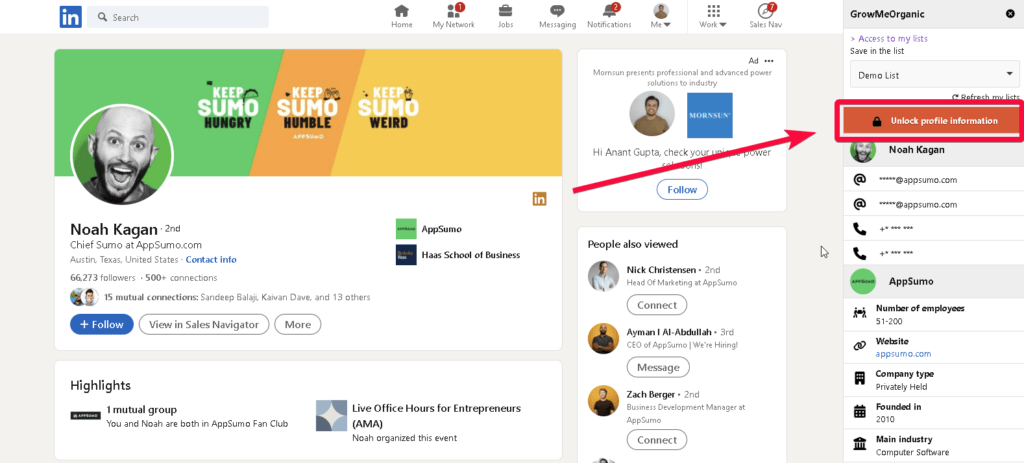
A LinkedIn Lead Extractor is a tool that collects information from LinkedIn. It helps businesses find leads faster. These tools make lead generation easy by collecting data automatically. This saves time.
LinkedIn is a great place for business marketing. It connects millions of professionals. This creates many chances to network. But finding leads by hand can take too much time. A lead extractor helps solve this.
Lead extractors gather names, job titles, and company details. They can also collect contact info when it is available. Many tools let you filter results by location, industry, or job role.
Using LinkedIn Lead Extractors reduces mistakes in data collection. People can make mistakes, which can lead to wrong data. Automated tools can create a more accurate list of leads.
In my experience, using a LinkedIn Lead Extractor changed how I find leads. Instead of spending hours on profiles, I could focus on building relationships.
How Does a LinkedIn Lead Extractor Work?
A LinkedIn Lead Extractor gathers data from profiles using web scraping. It acts like a person browsing pages. Most tools let you change settings. You can add filters and keywords to find the best leads. For example, you can focus on a region or industry.
The data can be saved as CSV or Excel. It’s easy to use with CRM systems. Some tools also let you schedule lead collection. You can set it to run automatically.
Choose a tool that follows LinkedIn’s rules. Breaking these rules can get your account restricted. Always check the tool’s features before using it.
| Feature | Description |
|---|---|
| User-Friendly Interface | Easy to navigate for all types of users. |
| Data Filtering | Custom filters based on industry or location. |
| Export Options | Supports multiple file formats for data export. |
Benefits of Using a LinkedIn Lead Extractor
A LinkedIn Lead Extractor is super helpful. First, it saves time. You don’t need to find leads by hand. The tool does it fast and right.
Second, it helps you get the best leads. You can use filters to find people who want your product. This helps grow your business.
You also get more leads, and fast! More leads mean more chances to talk to new clients. This is great in a tough market.
Another big plus? It grows with you. As your business gets bigger, the tool keeps up.
Last, it gives you smart tips. It looks at trends and helps you make better choices.
Why Use It?
✅ Saves time
✅ Finds better leads
✅ Targets the right people
✅ Grows with your business
Common Challenges When Using a LinkedIn Lead Extractor
Using a LinkedIn Lead Extractor has many benefits, but there are also challenges.
One big issue is following LinkedIn’s rules. If you break them, your account could get restricted.
Another challenge is data quality. Extractors collect a lot of information, but some of it may not be accurate. Bad data can make your outreach less effective.
Technical problems can also happen. Some tools may have glitches or stop working, which slows down data collection. You may need to fix these issues or get support.
Lastly, cost is a concern. Some extractors require a paid subscription. For small businesses, this can be a big expense.
Top Challenges When Using a Lead Extractor
| Challenge | Description |
|---|---|
| Compliance Issues | Risk of LinkedIn restrictions. |
| Data Quality | Some leads may not be accurate. |
| Technical Issues | Tools may have errors or stop working. |
| Cost | Some tools have high fees. |
How to Choose the Right LinkedIn Lead Extractor
Picking the best LinkedIn Lead Extractor can be tricky. Consider these factors:
-
Know your needs. Decide what you want the tool to do.
-
Check features. Look for simple design, good filters, and easy exporting.
-
Read reviews. See what other users say about the tool.
-
Follow LinkedIn’s rules. Make sure the tool does not break any policies.
-
Compare prices. Some tools offer free trials. Test them before buying.
Best Practices for Using a LinkedIn Lead Extractor
To get the most from a LinkedIn Lead Extractor, follow these tips:
-
Define your target audience. Pick the right people to reach out to.
-
Sort your leads. Group them by location or industry.
-
Update your settings. LinkedIn changes often, so adjust your filters.
-
Follow LinkedIn’s rules. Avoid actions that could get your account restricted.
-
Check your results. See how well your leads are working and improve your strategy.
| Best Practice | Description |
| Choose Target Audience | Pick people based on interests and location. |
| Sort Leads | Organize leads by industry or region. |
| Adjust Settings | Update filters for better data. |
| Follow Rules | Make sure you comply with LinkedIn’s policies. |
| Track Results | Review and improve your lead strategy. |
Integrating a LinkedIn Lead Extractor with Your Marketing Strategy
A LinkedIn Lead Extractor can boost your marketing efforts. Here’s how:
-
Match lead generation with marketing goals. Ensure both align.
-
Add leads to a CRM system. This helps track and manage contacts.
-
Use data for content marketing. Create content your audience will like.
-
Train your sales team. Teach them how to use the leads effectively.
-
Monitor progress. Track results and make improvements as needed.
Measuring the Success of Your LinkedIn Lead Extraction Efforts
Tracking success is important. Follow these steps:
-
Set key goals. Measure leads generated and conversion rates.
-
Check lead quality. See how many leads turn into customers.
-
Use tracking tools. Monitor how leads respond to your outreach.
-
Get feedback. Ask your sales team if leads are useful.
-
Improve over time. Adjust your approach based on data.
| Key Metric | Description |
| Conversion Rate | Percentage of leads that become customers. |
| Number of Leads | Total contacts collected. |
| Engagement | How leads interact with your content. |
| Sales Feedback | Sales team insights on lead quality. |
Real-World Examples of Successful LinkedIn Lead Extraction
Many businesses use LinkedIn Lead Extractors successfully. Here are two examples:
-
Tech Company – A software firm targeted tech startups. Using an extractor, they found decision-makers and sent them personalized emails. Their response rate increased, leading to more conversions.
-
Marketing Agency – A local marketing agency extracted leads from nearby businesses. They created focused ads, which brought in more clients and grew their business.
The Future of LinkedIn Lead Extraction Tools
These tools will keep improving. Here’s what to expect:
-
AI-powered data collection. Smarter tools will gather better-quality leads.
-
Seamless integrations. Tools will connect better with marketing software.
-
More focus on compliance. Future tools will follow LinkedIn’s evolving rules.
With these improvements, businesses will have even more ways to find great leads.
e many advantages, there are challenges when utilizing a LinkedIn Lead Extractor. One primary concern is compliance with LinkedIn's policies. Violating these can lead to restrictions on your account.
Another challenge includes data quality. While lead extractors can gather vast amounts of data, the accuracy may vary. Poor-quality data can result in ineffective outreach efforts.
On top of that, technical difficulties can arise. Some extractors may experience glitches or malfunctions. These issues can hinder the data collection process. Users need to be prepared to troubleshoot or seek support.
Lastly, there is also the matter of cost. Some lead extractors come with subscription fees. For small businesses or startups, this could be a considerable investment.
Top Challenges When Using a Lead Extractor
| Challenge | Description |
|---|---|
| Compliance Issues | Risk of account restrictions from LinkedIn. |
| Data Quality | Accuracy of gathered leads may vary. |
| Technical Difficulties | Potential for glitches & malfunctions. |
| Cost | Some tools come with high subscription fees. |
How to Choose the Right LinkedIn Lead Extractor
Choosing the right LinkedIn Lead Extractor can be challenging. Several factors should influence your decision. Start by considering your specific needs. Define what you want the tool to do for your lead generation efforts.
Next, review available features. Look for user-friendly interfaces, export options, & filtering capabilities. A good tool should simplify the lead generation process.
User reviews can also provide valuable insights. Research feedback from other users who have similar goals. User experiences can reveal strengths & weaknesses of the tool.
And another thing, evaluate compliance with LinkedIn’s policies. Ensure that the extractor adheres to best practices to avoid account issues.
Lastly, consider pricing options. Some tools offer free trials, allowing users to test before committing. Compare costs & features to select the best fit for your budget.
- Define specific lead generation needs
- Look for user-friendly features
- Research & read user reviews
- Check compliance with LinkedIn policies
- Compare pricing & features
Best Practices for Using a LinkedIn Lead Extractor
To maximize the benefits of a LinkedIn Lead Extractor, follow best practices. Start by defining your target audience clearly. Specifying demographics & interests ensures accurate data collection.
Next, segment your leads. Organize them based on various factors like location or industry. This allows for more personalized outreach efforts.
Regularly update your extractor settings. LinkedIn's environment can change, affecting data availability. Adjusting your filters & keywords can help maintain lead quality.
Keep an eye on compliance. Avoid scraping data that could breach LinkedIn’s rules. Always ensure that your practices align with their guidelines.
Lastly, evaluate your results frequently. Assess the effectiveness of your leads & outreach strategies. This insight can help refine your approach for better conversion rates.
| Best Practices | Description |
|---|---|
| Define Target Audience | Clearly specify demographics & interests. |
| Segment Leads | Organize leads by location & industry. |
| Update Settings Regularly | Adjust filters based on changing conditions. |
| Monitor Compliance | Make sure practices align with guidelines. |
| Regularly Evaluate Results | Assess lead effectiveness for better strategies. |
Integrating a LinkedIn Lead Extractor with Your Marketing Strategy
Integrating a LinkedIn Lead Extractor into your marketing strategy enhances overall results. Start by aligning your lead generation goals with your marketing objectives. Clear alignment ensures that your efforts work towards the same outcomes.
Next, incorporate the extracted leads into your CRM system. This allows for efficient tracking & managing of leads. Further, it enables streamlined communication.
Utilize the data for content marketing efforts. Create tailored content that appeals to your extracted audience. This can increase engagement & drive conversions.
Train your sales team on utilizing the leads effectively. Ensure they understand the importance of targeting & personalization. Training leads to better conversations & increased likelihood of conversion.
Lastly, monitor & adjust your strategies based on analytics. Utilize data insights to refine your approach. Adjust tactics as needed to improve results.
- Align lead generation goals with marketing objectives
- Incorporate leads into CRM for easy tracking
- Create targeted content for your audience
- Train your sales team for effective lead management
- Monitor analytics & adjust strategies
“Efficiency in business comes from effective use of tools.” - John Doe
Measuring the Success of Your LinkedIn Lead Extraction Efforts
Measuring success is vital for any strategy involving a LinkedIn Lead Extractor. Begin by defining key performance indicators (KPIs). This might include metrics like the number of leads generated or conversion rates.
Track the performance of your extracted leads over time. Regular evaluations help assess lead quality & effectiveness in conversion. Analyzing metrics allows you to identify successful strategies & areas for improvement.
Utilize conversion tracking tools to monitor the journey of leads. Understanding how leads interact with your marketing materials can provide valuable insights. This data can inform future content & outreach strategies.
And another thing, collect feedback from your sales team. Their experience in dealing with extracted leads can reveal insights about lead quality. Regular communication ensures that marketing & sales align on objectives.
Lastly, don't hesitate to adjust your methods based on measurement results. Continuous improvement is essential for ongoing success.
| Key Metrics | Description |
|---|---|
| Lead Conversion Rate | Percentage of leads that convert to customers. |
| Number of Leads Generated | Total leads gathered through extraction efforts. |
| Lead Engagement Level | How leads interact with your content & outreach. |
| Sales Feedback | Insights from the sales team regarding lead quality. |
Real-World Examples of Successful LinkedIn Lead Extraction
Many businesses have successfully utilized a LinkedIn Lead Extractor for lead generation. One case is a software company that targeted tech startups. By using a lead extractor, they identified decision-makers within these companies.
After collecting data, the sales team reached out via personalized email campaigns. As a result, they experienced a significant increase in response rates. This translated into higher conversion numbers.
Another example is a marketing agency that focused on local businesses. By extracting leads, they developed targeted ads. Consequently, the agency saw a marked increase in client inquiries. The approach allowed them to grow their client base rapidly.
These examples illustrate the effectiveness of lead extraction. Businesses that leverage data-driven strategies often achieve better results.
- Tech company targeted startups for higher response rates.
- Marketing agency increased local client inquiries.
- Data-driven strategies lead to significantly better results.
The Future of LinkedIn Lead Extraction Tools
The future of LinkedIn Lead Extractor tools looks promising. As technology advances, these tools will become more sophisticated. Expect enhanced features like AI-driven analytics & predictive modeling.
AI integration will allow for improved accuracy in data extraction. Tools will learn from previous extractions, refining their processes. This development may significantly boost lead quality.
And don't forget, we anticipate better integration with other marketing tools. Seamless connections with marketing automation systems will enhance efficiency. This integration will streamline lead nurturing activities.
Lastly, compliance & ethical practices will continue to evolve. Best practices for data extraction will adapt to changing regulations. Future tools will likely prioritize user privacy & compliance with LinkedIn policies.
These advancements will offer marketers even more options to generate leads effectively.
| Future Trends | Description |
|---|---|
| AI-Driven Features | Improved accuracy through machine learning. |
| Better Integrations | Seamless connections with marketing tools. |
| Enhanced Compliance | Prioritizing user privacy & adherence to regulations. |
| Feature | LinkedIn Lead Extractor | Traditional Lead Generation | Manual Outreach |
|---|---|---|---|
| Speed of Lead Generation | High - Extracts thousands of leads in minutes | Moderate - Takes hours to days for similar results | Low - Time-consuming, dependent on individual effort |
| Data Accuracy | High - Automated scraping ensures up-to-date info | Moderate - Data may be outdated or incomplete | Variable - Depends on the individual’s research skills |
| Automation Level | Fully Automated | Partially Automated | None - Requires manual input throughout |
| Cost Efficiency | High - One-time software cost or subscription | Variable - Costs can accumulate with time & resources | High - Free but resource-intensive |
| Data Filtering Options | Highly customizable filters available | Limited filtering capabilities | Variable - Depends on individual knowledge & criteria |
| Lead Quality | High - Targets specific criteria for quality leads | Variable - Quality depends on approach | Low - Random targeting can yield poor results |
| User-Friendliness | Easy to use with intuitive interfaces | Moderate - May require training on tools | High - Familiar but labor-intensive |
| Integration with CRM | Seamless integration options | Requires manual data entry | Requires manual data entry |
| Follow-up Automation | Often includes follow-up options | Manual follow-up necessary | Manual follow-up necessary |
| Scalability | High - Can scale operations easily | Limited - Growth requires more resources | Low - Manual efforts constrain scalability |
| Data Export Options | Multiple export formats available | Limited export options | Variable - Mostly manual data processing |
| Compliance with LinkedIn Policies | May vary by tool; some tools are compliant | High - Directly following platform rules | High - Directly following platform rules |
| Customization | High - Users can customize settings & searches | Limited customization | Variable - Customization depends on technique |
| Support & Community | Good support & user community | Varies significantly | Limited - Primarily self-help |
| Lead Enrichment Features | Advanced enrichment options available | Limited enrichment without additional tools | None - No enrichment capabilities |
| Real-time Notifications | Provides real-time updates | None - Requires manual checks | None - Requires manual checks |
| Pacing of Lead Acquisition | Controlled pacing based on settings | Random pacing based on effort | Random pacing based on effort |
| Learning Curve | Minimal - Most can learn quickly | Moderate - Takes time to learn various tools | Low - Familiar processes |
| Retention of Leads | Better retention through comprehensive database | Variable - Dependent on manual tracking | Variable - Dependent on manual tracking |
| Overall Efficiency | High - Maximizes both time & resources | Moderate - Varies based on approach | Low - Least efficient use of time |
What is a LinkedIn Lead Extractor?
A LinkedIn Lead Extractor is a tool that helps you find contact details on LinkedIn. It collects emails, job titles, and company names. This makes it easy to find new leads.
How does a LinkedIn Lead Extractor work?
This tool searches LinkedIn and saves data in a simple file, like CSV or Excel. You enter what you need, and it gathers matching results.
Can a LinkedIn Lead Extractor improve lead generation?
Yes! It saves time and finds leads faster. You can reach the right people more easily.
Is it legal to use a LinkedIn Lead Extractor?
Maybe not. LinkedIn does not allow automatic data scraping. Be careful and follow the rules.
What are the benefits of using a LinkedIn Lead Extractor?
- Saves time
- Finds more leads
- Lets you search by job title, company, or industry
- Helps marketing and sales
Are there any risks associated with using a LinkedIn Lead Extractor?
Yes. Here are some risks:
- Your LinkedIn account may be blocked
- It may break LinkedIn’s rules
- You could face legal issues
Can a LinkedIn Lead Extractor help with targeted marketing?
Yes! It helps find the right people, so your ads and messages work better.
What features should I look for in a LinkedIn Lead Extractor?
Pick a tool that:
- Is easy to use
- Collects correct data
- Lets you filter results
- Works with your CRM
- Has good support
Can I integrate a LinkedIn Lead Extractor with my CRM?
Yes! Many tools let you send data directly to your CRM. This makes lead tracking simple.
How do I choose the right LinkedIn Lead Extractor for my needs?
Think about your budget and needs. Read reviews. Try free demos before you buy.
What will I do with the leads collected from a LinkedIn Lead Extractor?
Use them to:
- Send marketing emails
- Sell your product or service
- Build connections
- Turn leads into customers

Conclusion
In summary, a LinkedIn lead extractor can be a game-changer for finding quality leads quickly & easily. By automating the search process, you save time & effort, allowing you to focus on building relationships. These tools help you filter through countless profiles to find the right connections for your business. While they can't replace personal touch, they can certainly enhance your lead generation strategy. So, if you're looking to boost your outreach & connect with potential clients, considering a LinkedIn lead extractor might be the smart choice to make your lead generation more efficient.
Need Help with Software or Automation?
Talk to our technical experts today on WhatsApp for instant guidance.